

The Tragedy of Single Nozzle Multifilament 3D Printing.
I have found what I consider two major faults with the (CFS) single nozzle multi filament swapping system. My experience is with one manufacture but all systems of this type are quite similar. I’ll even suggest they are almost copies of each other.
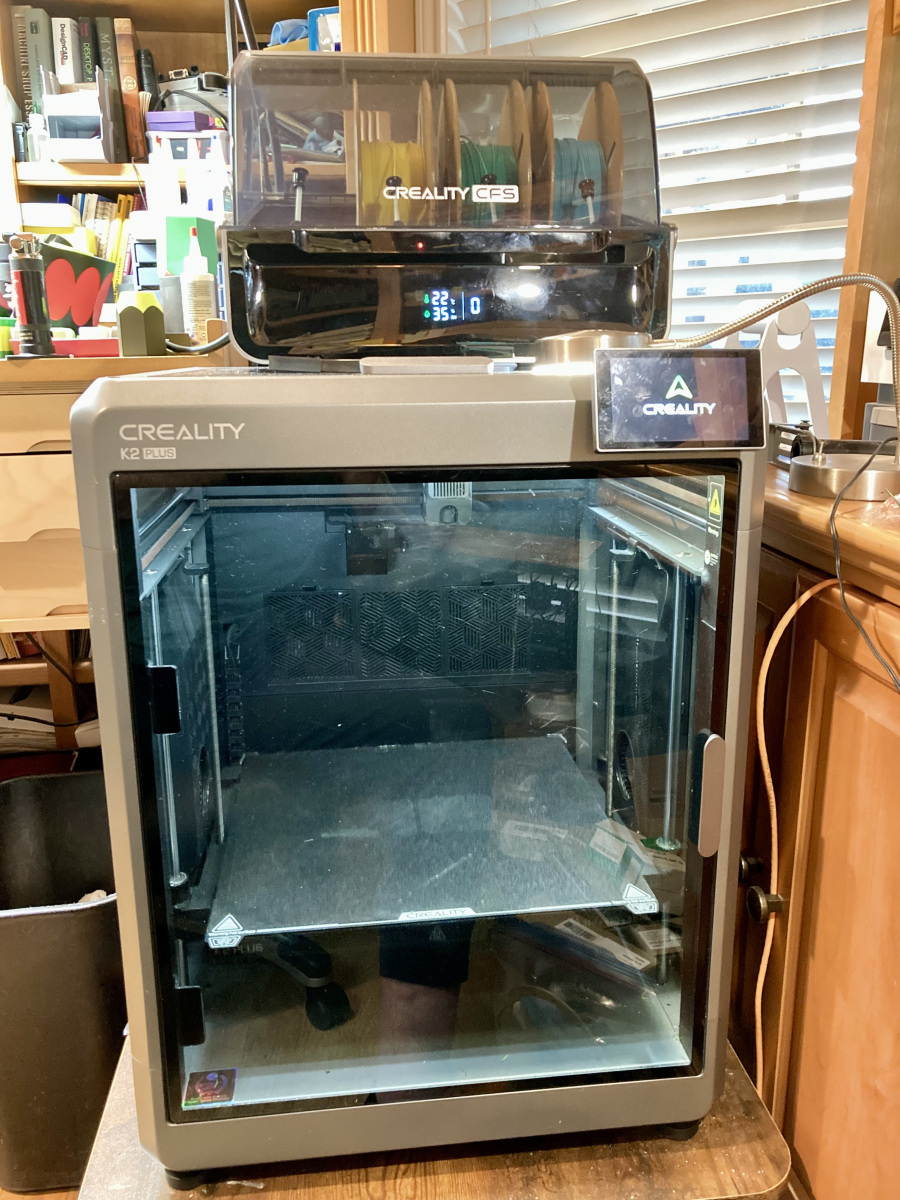
The system I have experienced is the Creality CFS (Creality Filament System). Up through 16 filaments can be available for automated switching to the single output nozzle.
FAULT #1
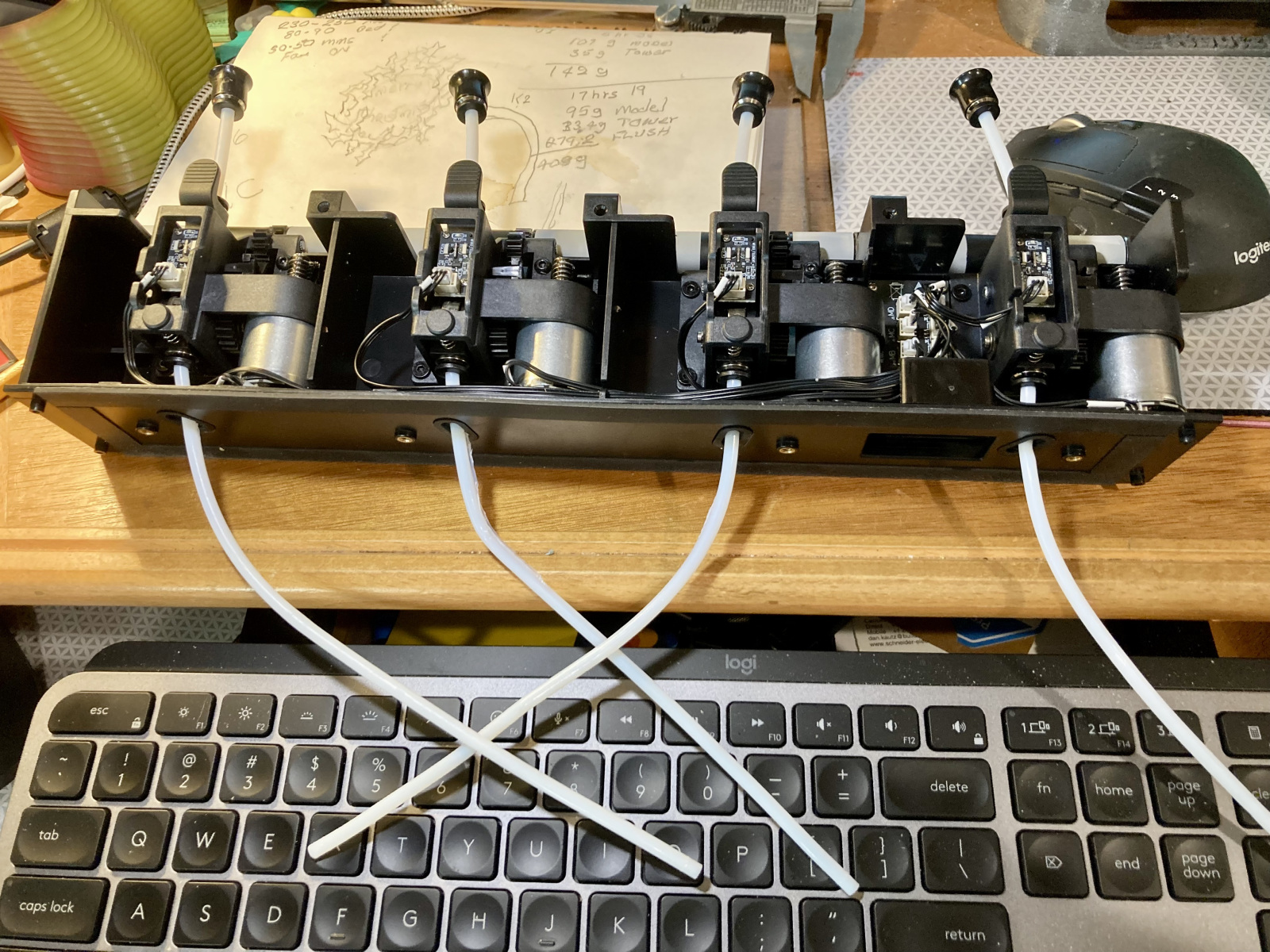
The delivery process is to power feed about a meter of filament from a spool in a storage box through a literal maze of power feed drives and PTFE tubing to the print extruder head.
First feed drive is at the spool (one drive for each spool). Each spool drive feeds 1 (of four) filament strands to a main feed motor in the bottom center of the CFS case. One main feed motor for each CFS box.
The CFS therefor contains four spool drives and one main feed drive (per CFS box).
Feed from each CFS (up through 4) are combined in a spring loaded 4 way junction (multiplexer) to a single filament path leading to the actual extruder drive.
Only one filament (of 16 possible) occupies this total path to the extruder.
All other non active filaments remain retracted back at the first feed drive located just below the spool.
To change to another filament (color) the extruder chops off the active filament internal to the extruder between the print head feed drive and the hot end with a guillotine type blade.
The extruder drive then reverses (retracts) and along with the CFS Feed Drive in the active CFS box, rapidly pulls nearly the complete meter of filament back onto the active spool with the help of the individual spool drive. Leaving enough filament length at the spool drive to start the next trip through the system when activated.
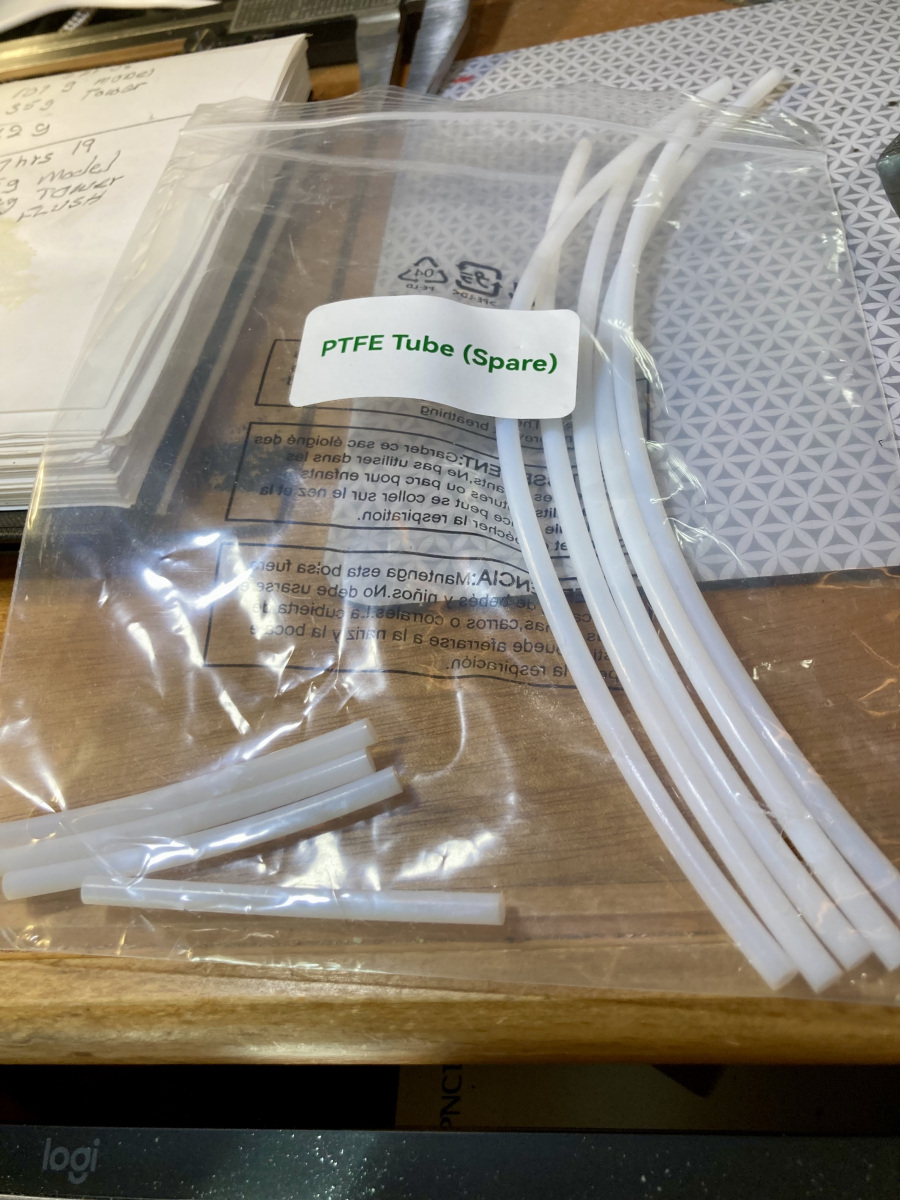
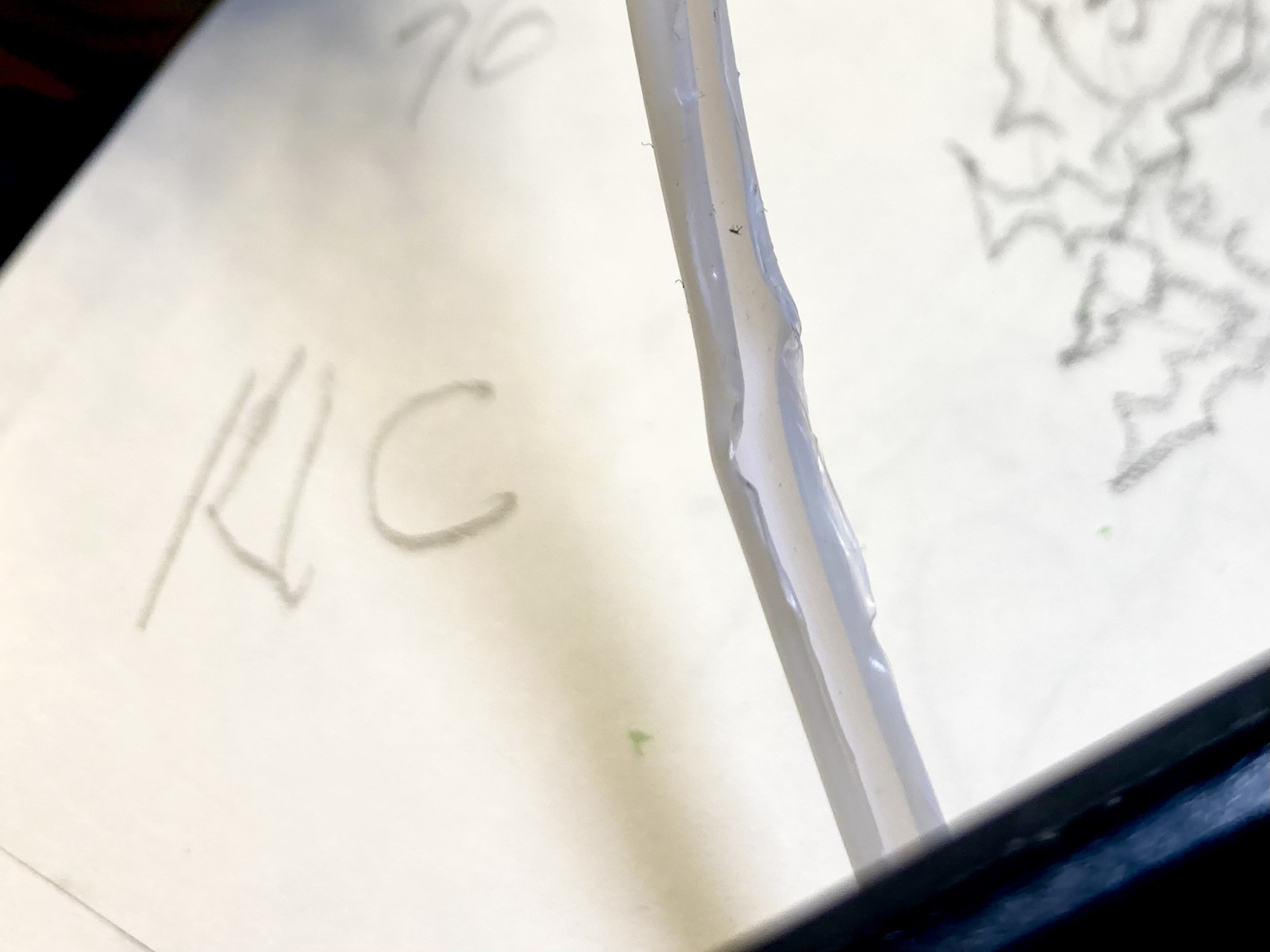
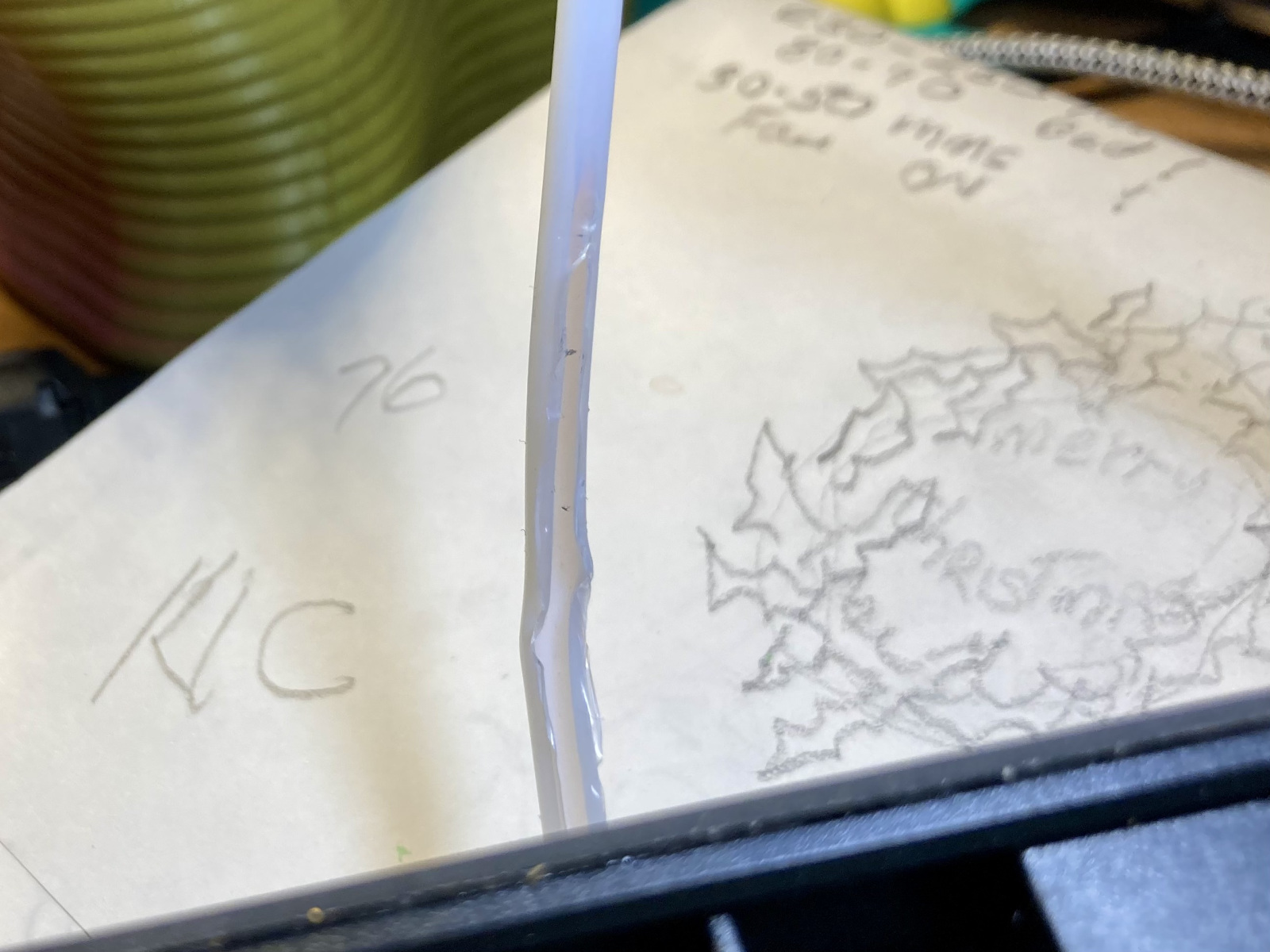
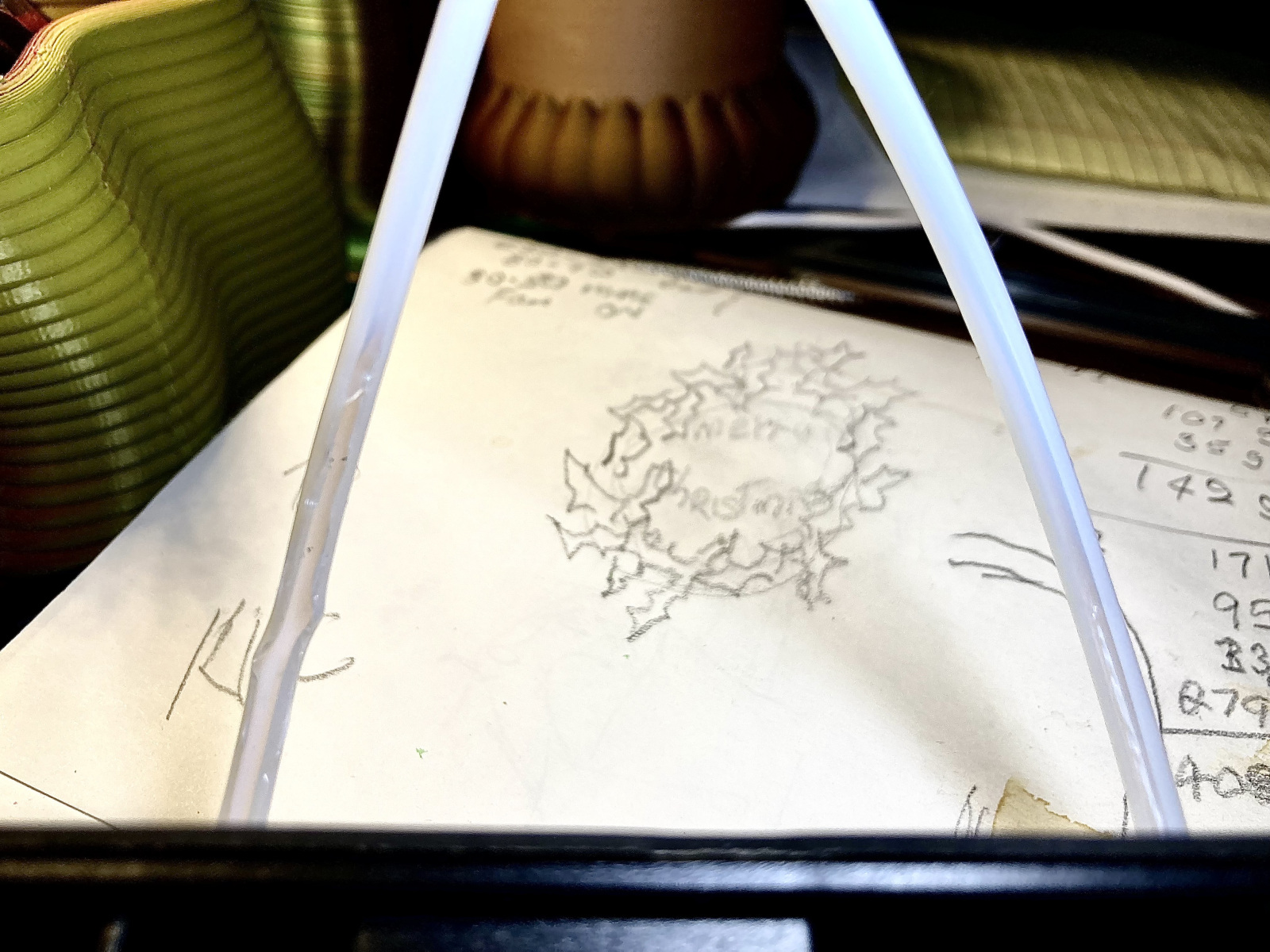
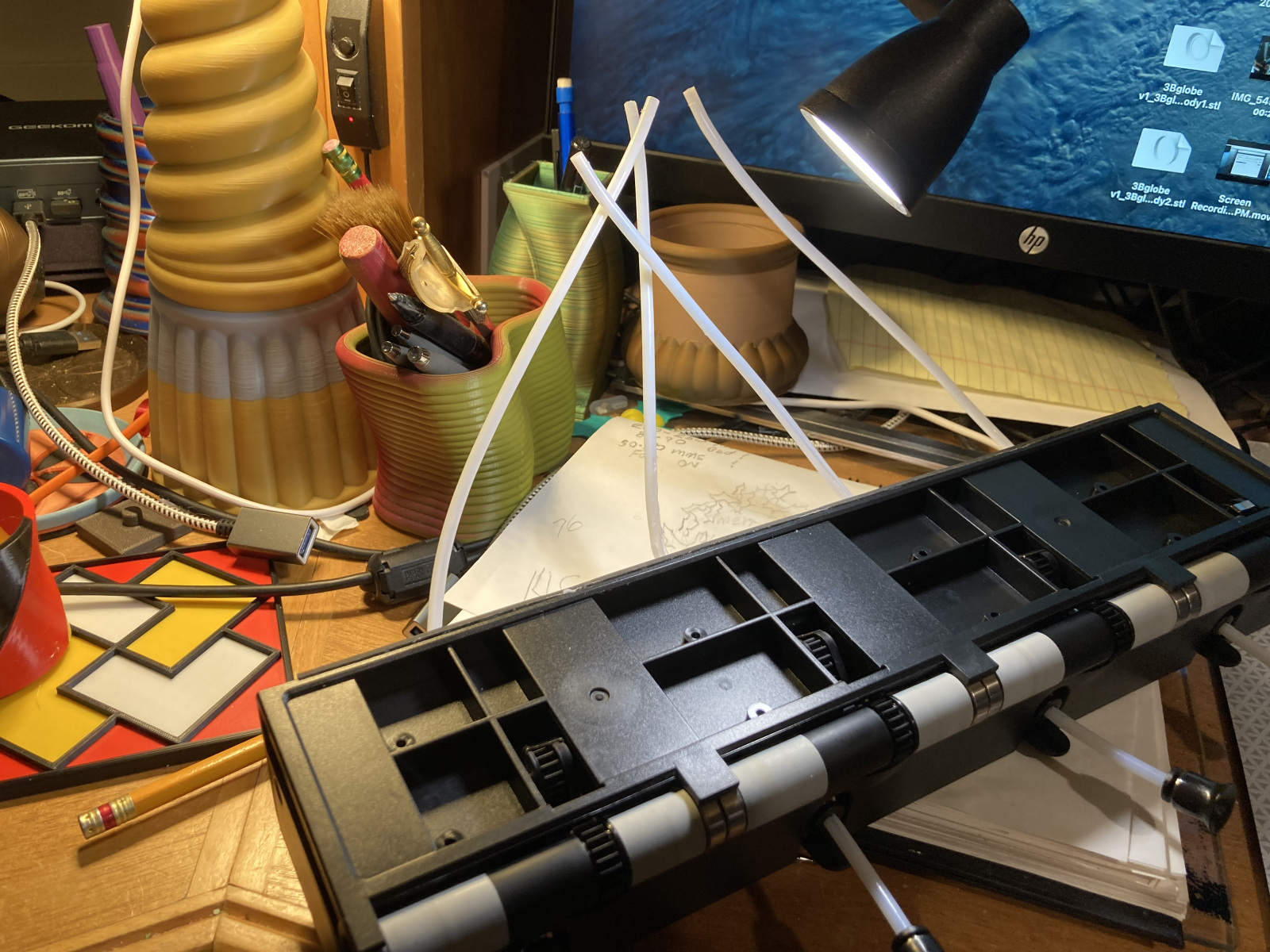
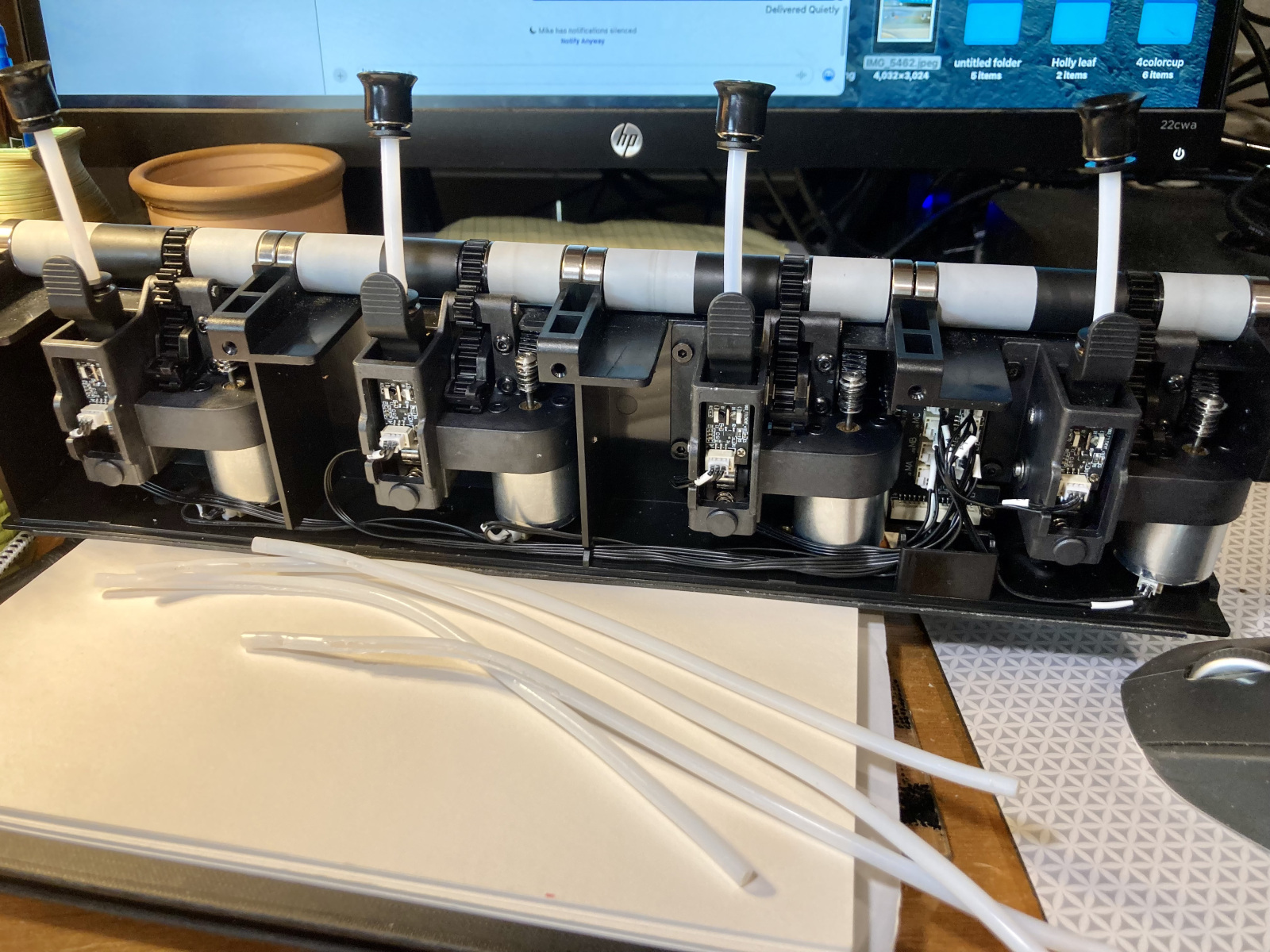
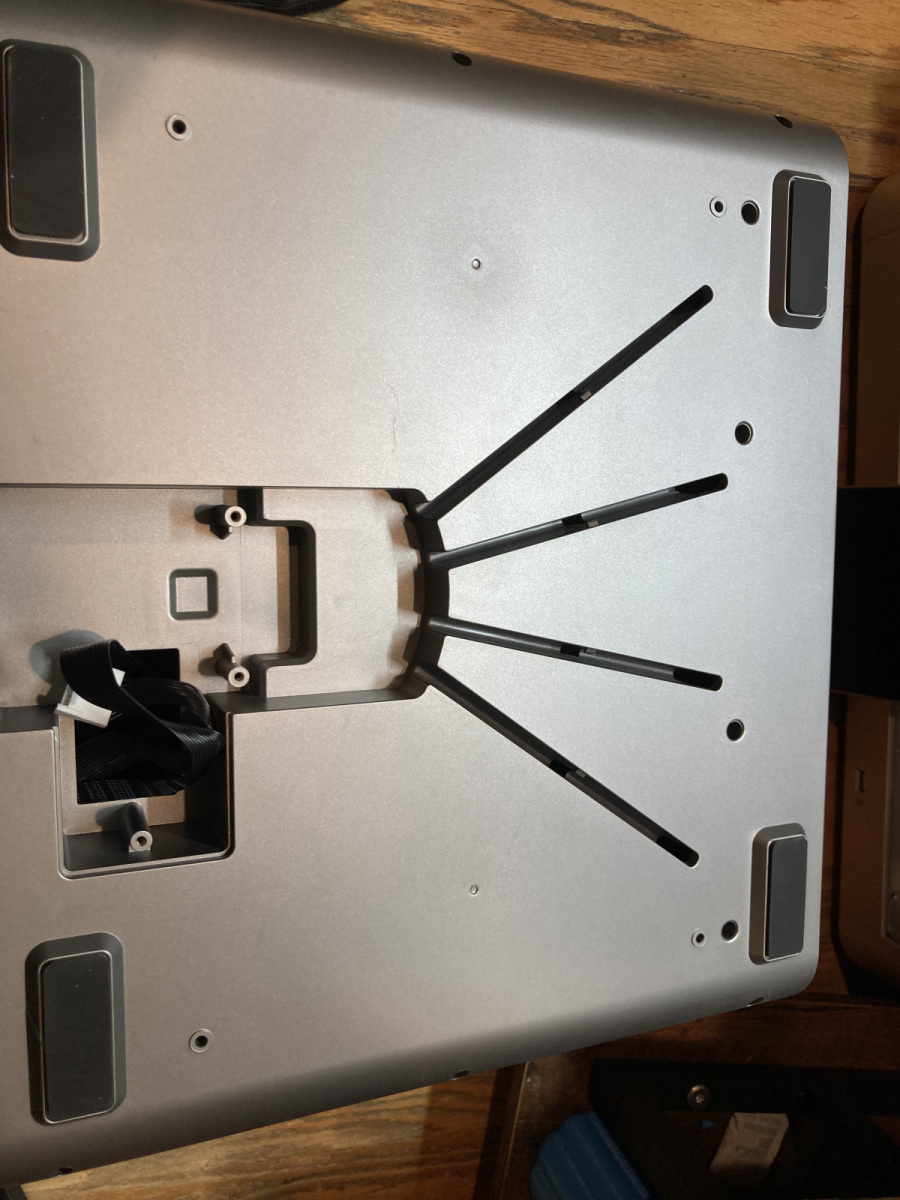
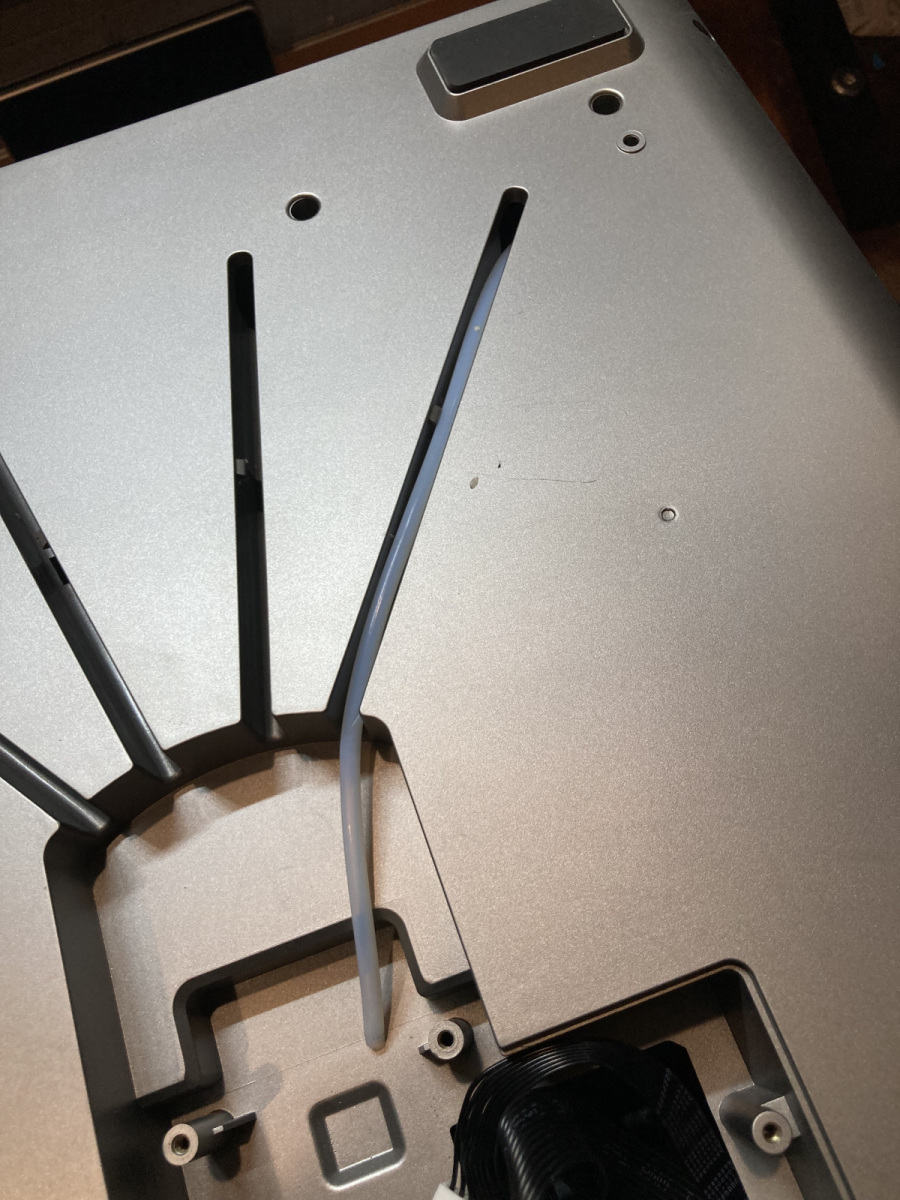
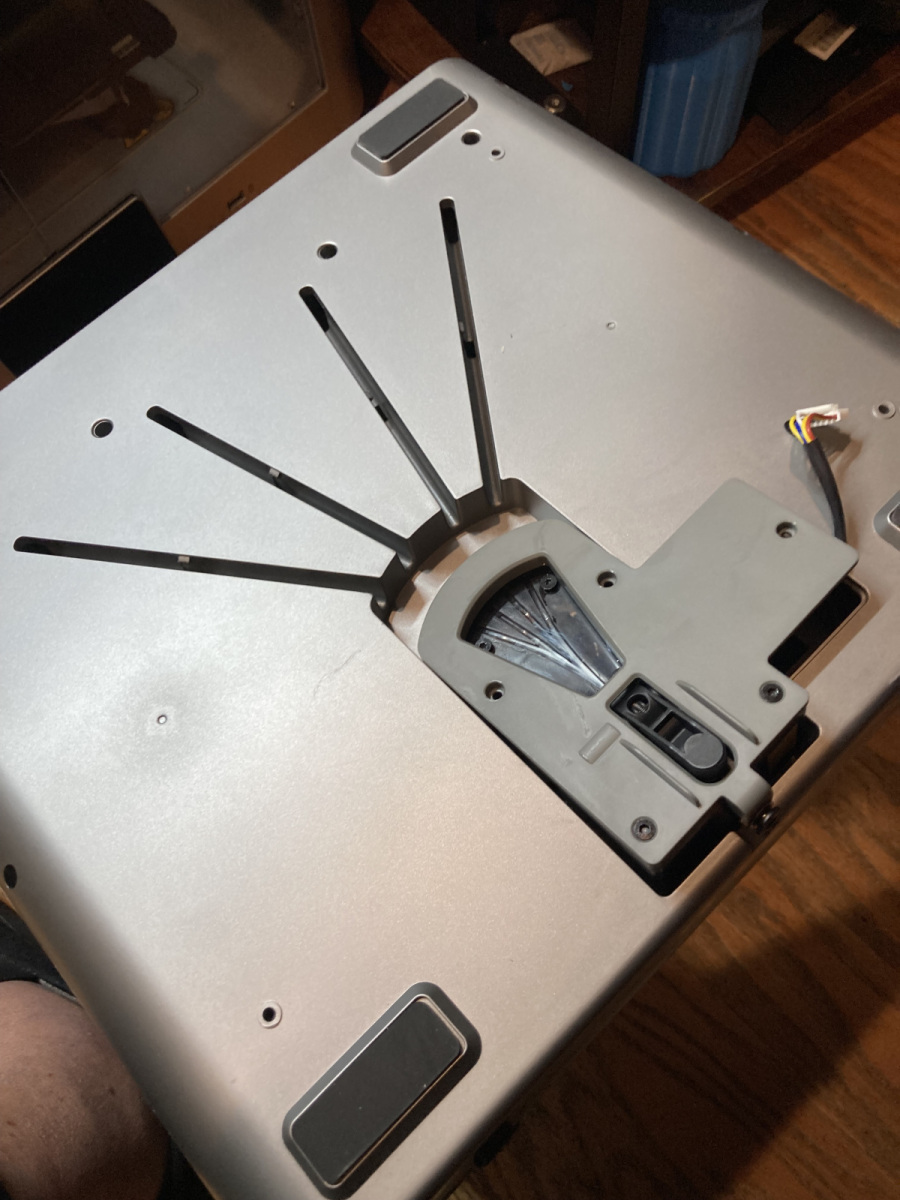
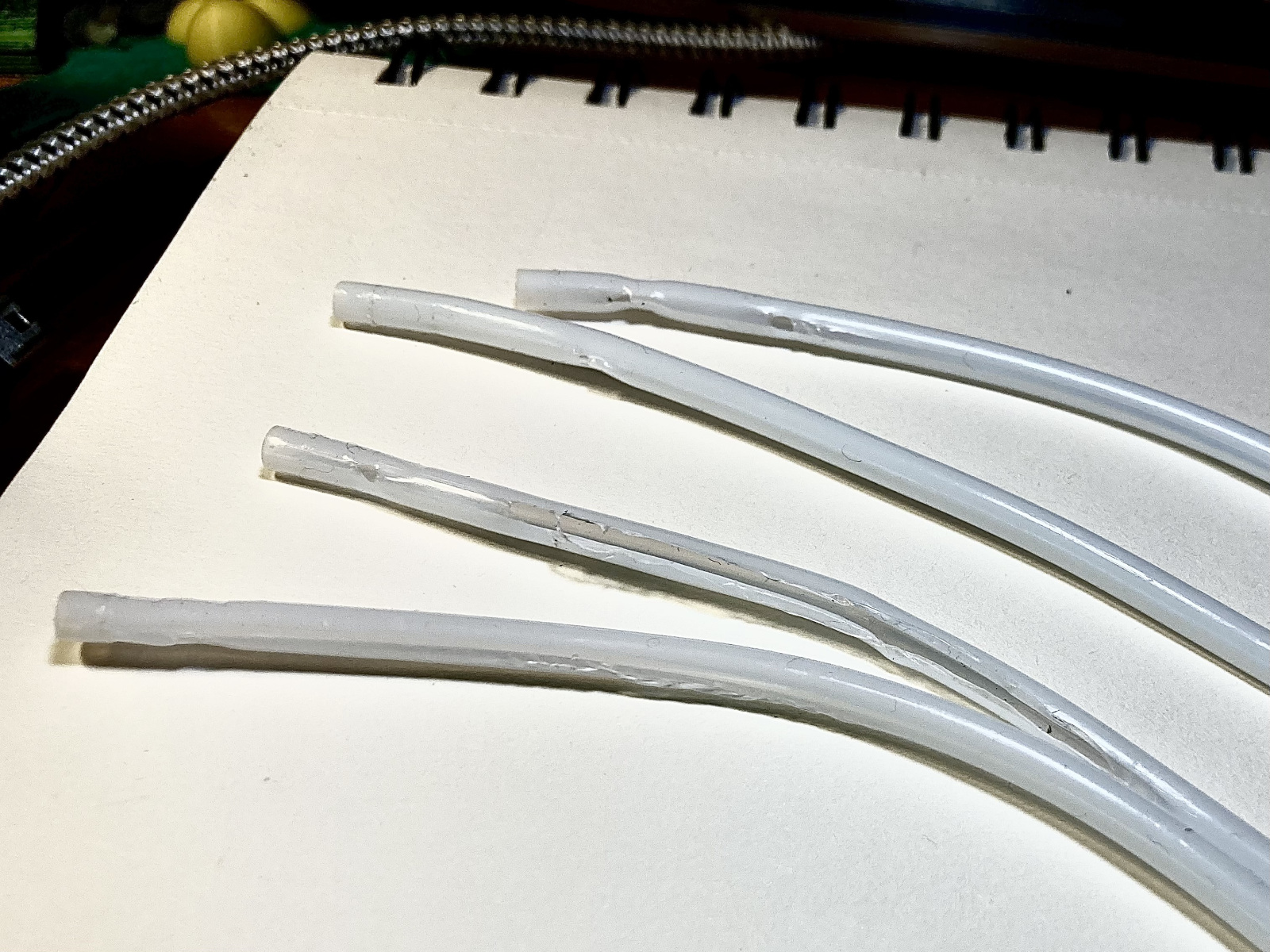
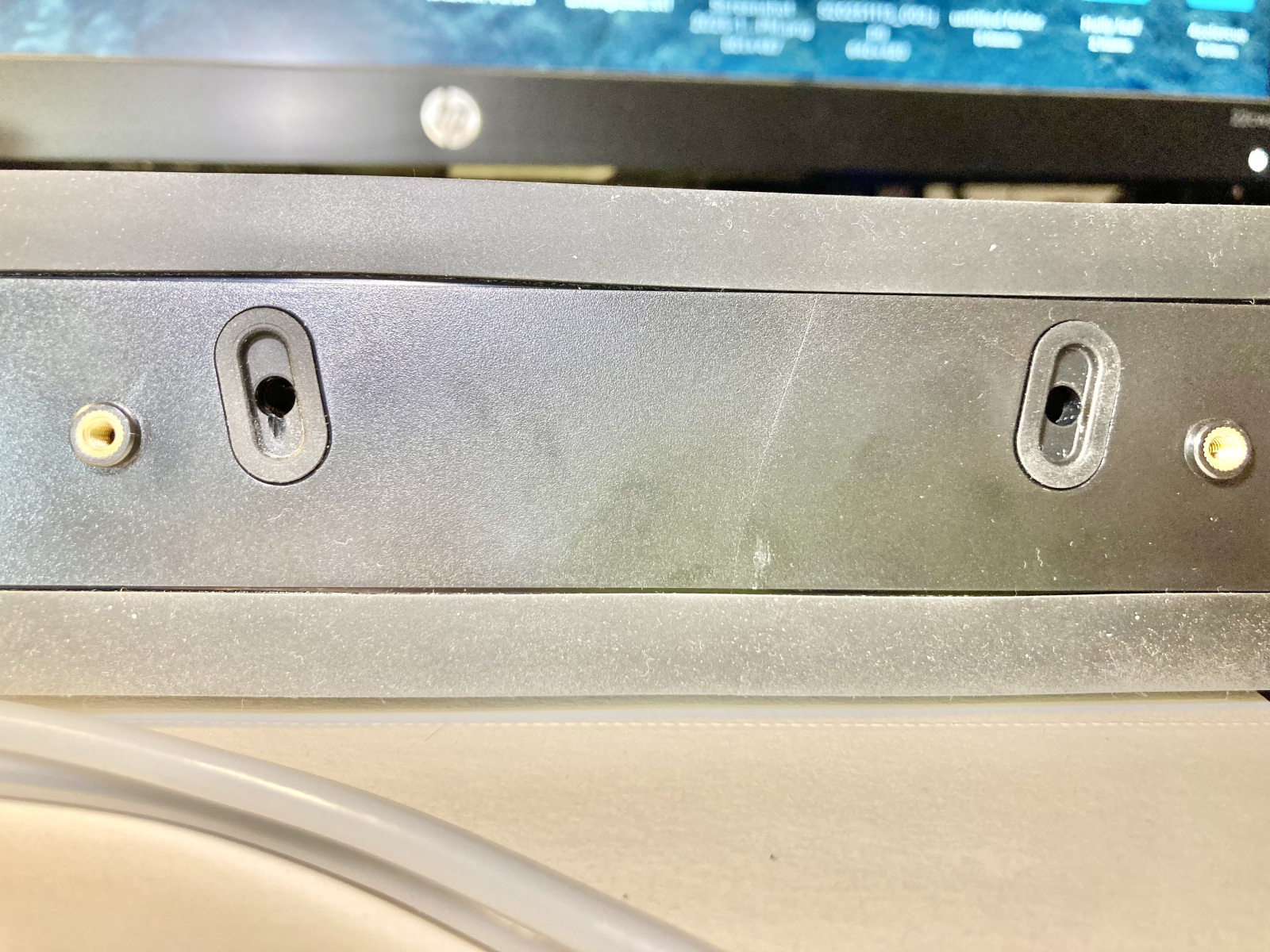
This is A LOT of long and rapid filament movement; but is necessary with this type feed system. The rapid filament movement in MY CFS wore (cut) long slots in the sides of the PTFE tubing at every sharp bend inside the case. This required a TOTAL TEARDOWN of the CFS and complete replacement of all internal CFS PTFE tubing.
Creality supplied replacement tubing with the original CFS so this is obviously indicates a well know fault of the CFS. Excessive tubing wear and failure.
View pictures below
FAULT #2
Using one nozzle for all colors and material types requires a very through purging (for a filament change) of previous material from the filament cut point through the heat path and out the nozzle discharge – before continuing the print.
This purge is often called “poop” as that is what this action resembles The slicer maintains a schedule of the colors and materials in use and the amount of purge required to clear the nozzle. Not every purge is the same amount.
The problem arises when there are many filament changes required per print and especially per layer. Four colors per layer with a 100mm tall print sliced with 0.20mm layers is 500 layers times 4 colors is 2000 “poops”
The time and material required for 2000 “poops” I can be tremendous.
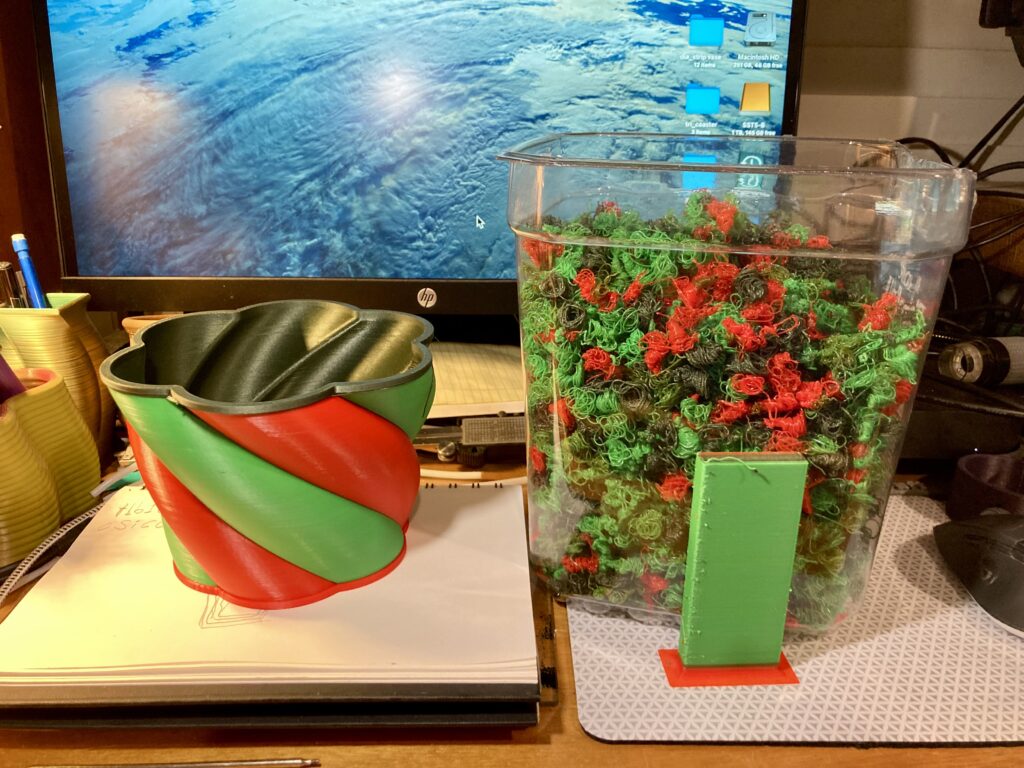
This print is 100mm tall, 500 layers @ 0.20mm layers
3 colors with 930 reported color change “poops”
Actual Print time 26.5 hours
Actual 160 grams material for print
Actual 540 grams material for “poop” and tower.
Conclusion
I will no longer assign multi-color change per layer FDM prints to the Creality K2PLUS. I have purchased a new Snapmaker U1 for that duty.
The K2PLUS with the CFS will continue to be used for larger single color prints and when auto filament runout (empty spool switch) is desired. Possible use with low count vertical color changes. (Like a middle stripe on side of a cup.)
It’s quite evident high count and rapid filament swaps are beyond the ware limits of the CFS hardware.
The material waste is quite excessive for projects with a high number of filament changes.
Leave a Reply